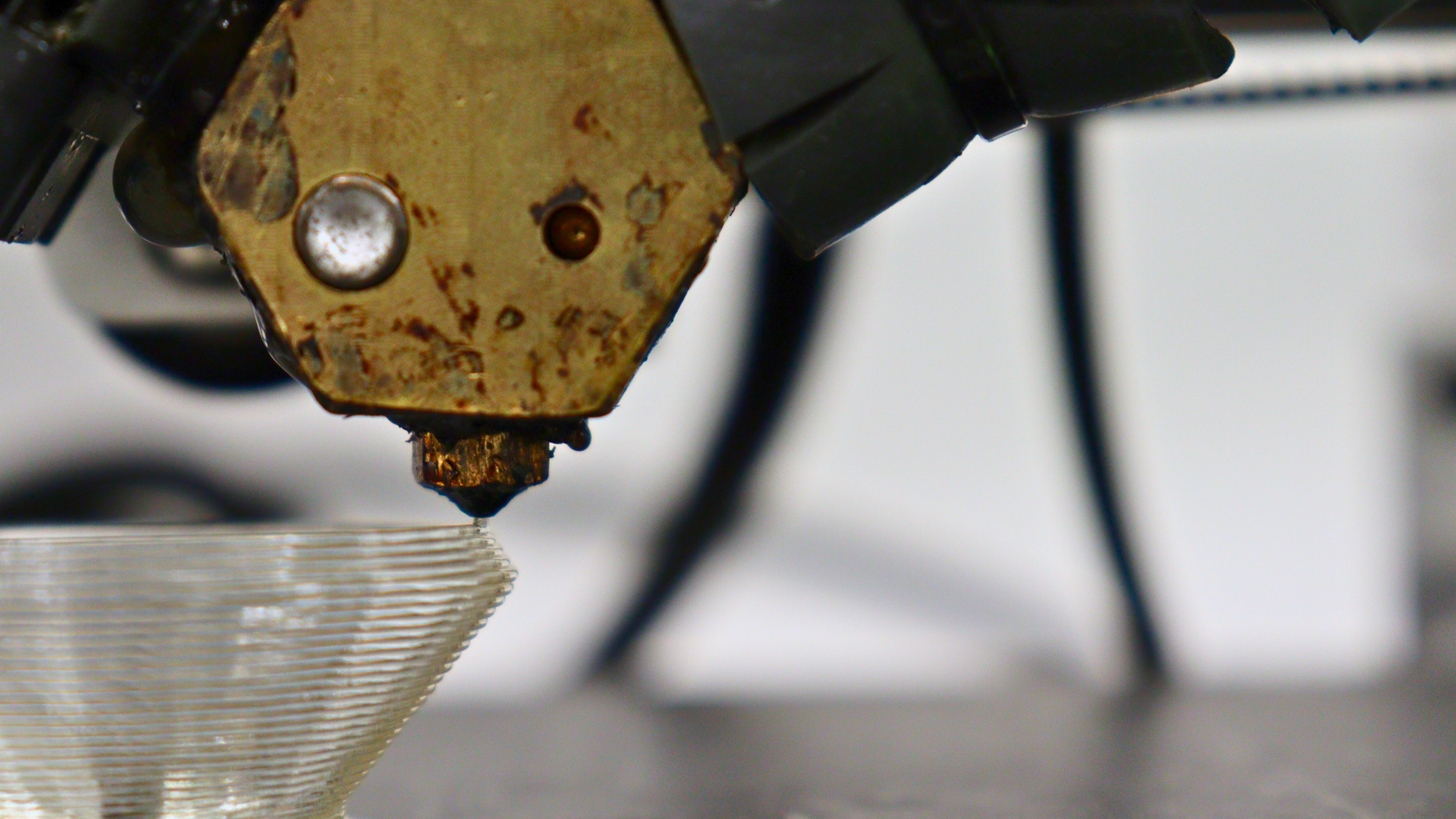
The MAMMAMIA - Modular Assembly for Multi-Material Additive Manufacturing with Innovative Applications
The MAMMAMIA is a modular additive manufacturing platform for exploring experimental printing methods. The system is capable of simultaneously blending pellet-based and filament-based feedstock materials, as well as co-axially extruding liquids and pastes within printed lines. These versatile multi-material processing capabilities allow the MAMMAMIA system to produce highly innovative parts, including:
Gradient blending of dissimilar polymers to tune part stiffness mid-print
Injection of liquid metals to directly print stretchable electronic devices
I have led the documentation and development of this project since 2020, and have been presented it at many trade shows and conferences. My key contributions to the system have been the development of a custom print head with an integrated needle valve, programming G-code scripts to make the system compatible with consumer slicers like Orca Slicer and Cura, and extensive process mapping for various materials. This has dramatically improved printing capabilities and allowed us to share the technology with other institutions for research collaboration.
A recent design iteration of the MAMMAMIA system, showing the configuration used for printing pellets. Pellets are extruded by the screw extruder and transported in a molten state via the heated hose to the extruder head.
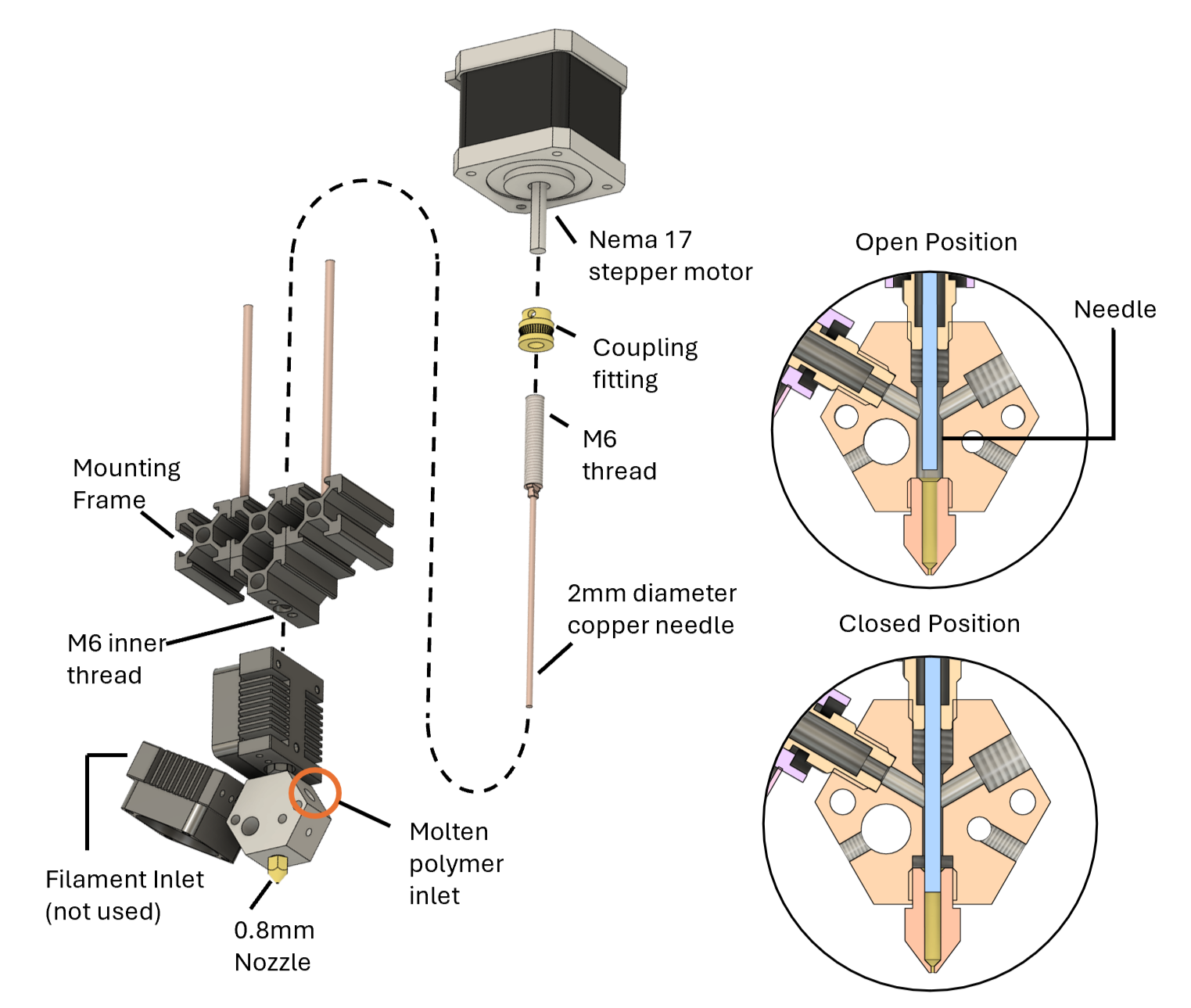
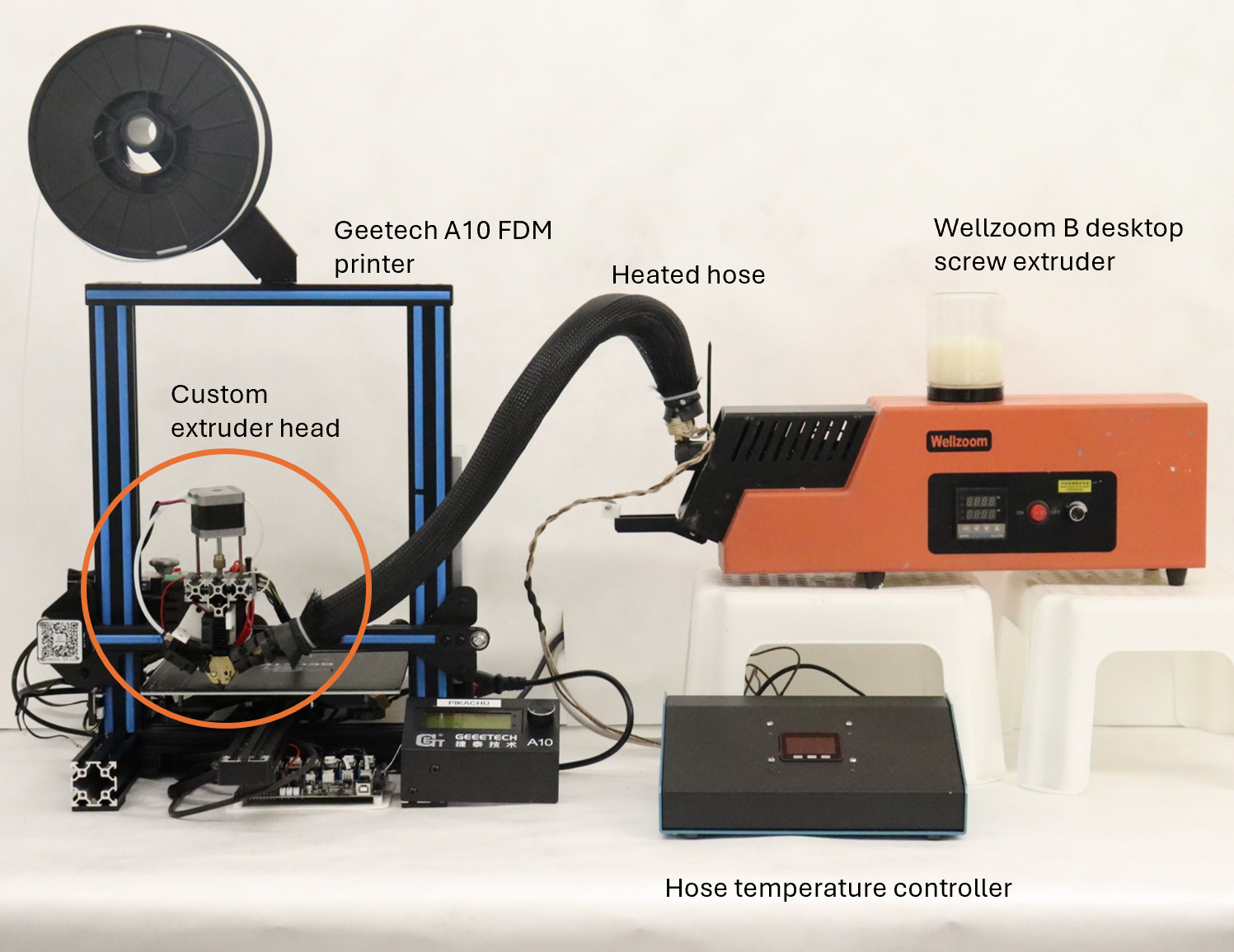
The system features an entirely custom-built extruder head, which has three inputs for combining various material streams. In this version the print head is outfitted with a needle valve, which can actively cut off flow through the nozzle. This allows for much cleaner retraction and travel moves compared to other pellet printing alternatives.
Custom Valving Approach
Our active valving strategy allows us to process pellets with much higher quality by reducing stringing and oozing. However, this new approach required me to program custom g-code post processing plug-ins. These scripts rewrite g-code for conventional printers to be compatible with our valve controlled system, allowing us to use off-the shelf slicers with ease.
My work on active valving systems for pellet printers was published as part of my masters thesis in the leading journal Additive Manufacturing.
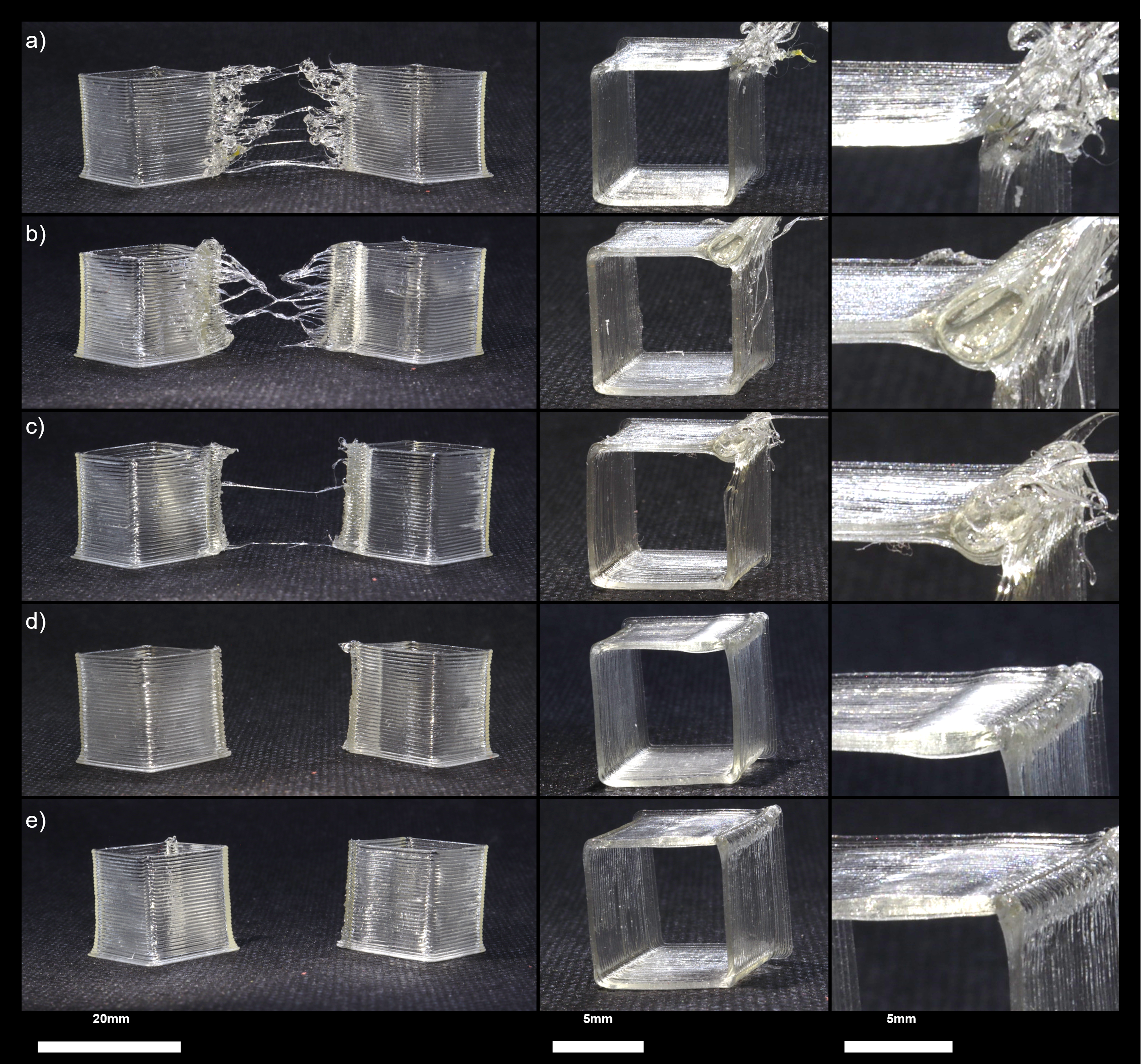
Effect of needle valve on pellet printing performance. As valve parameters are optimized, high quality retraction is achieved
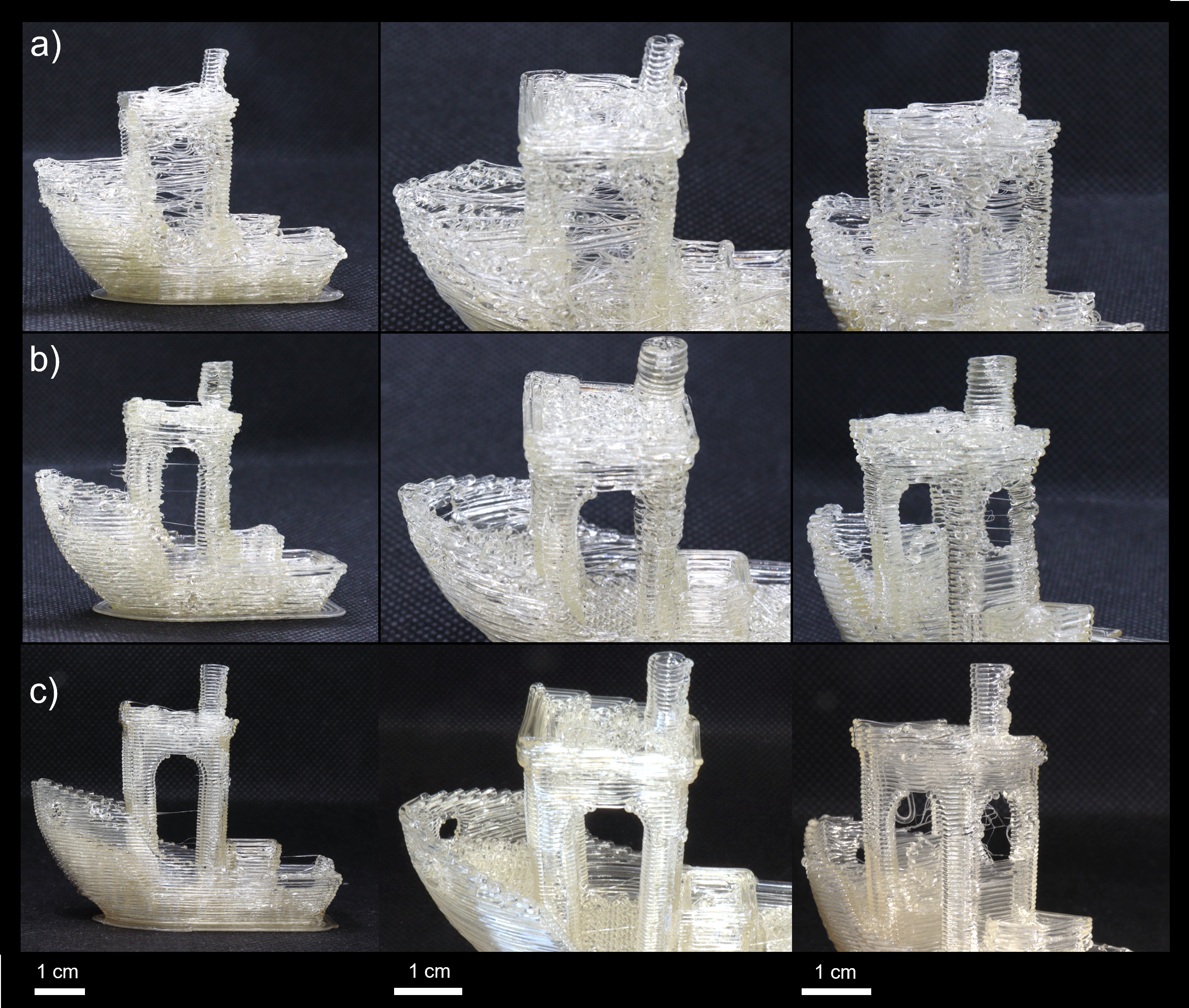
Benchmark print demonstrating impact of no valve (top), with valve (middle), and with optimized valve parameters (bottom).
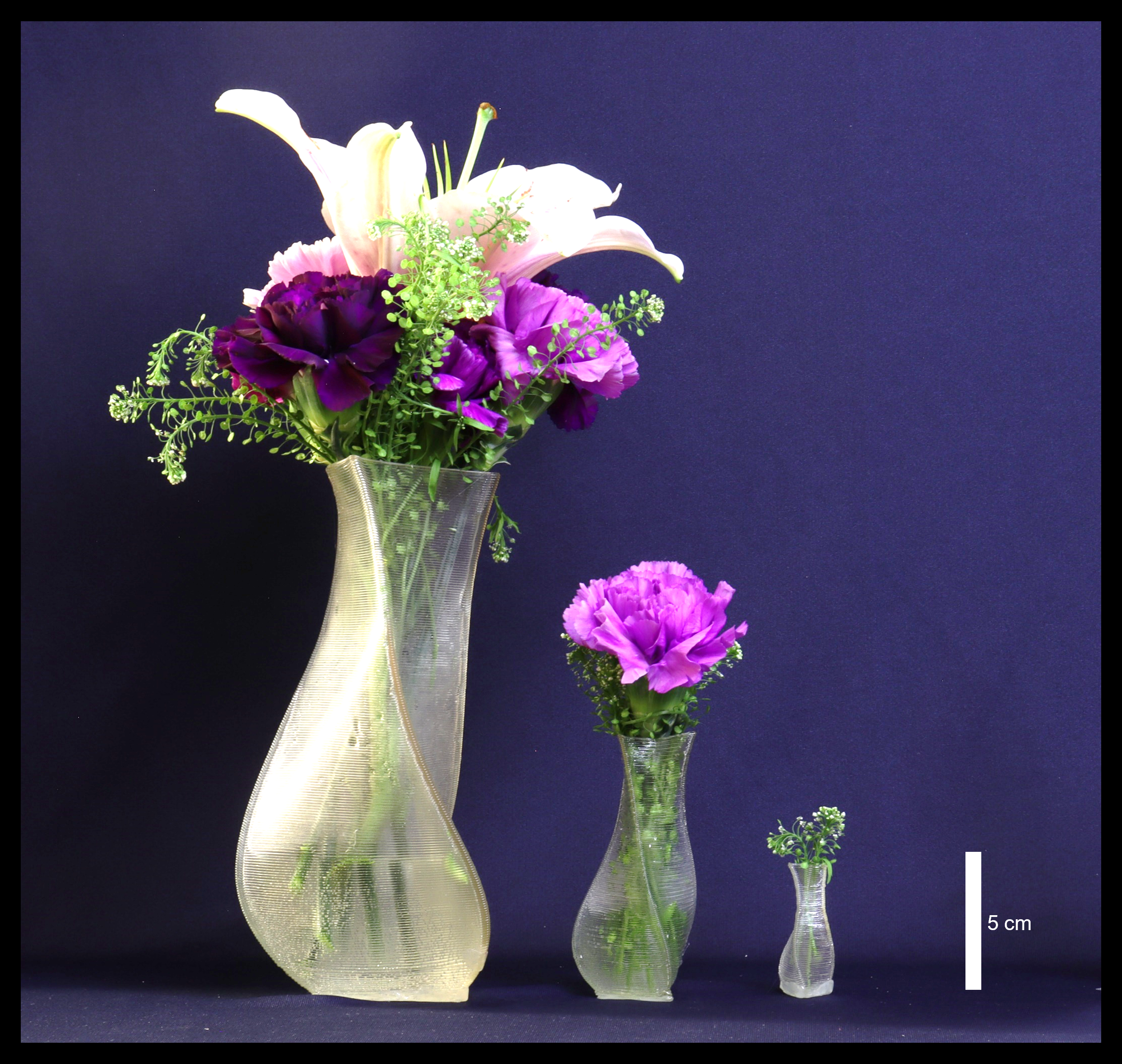
Pellet printed vases demonstrating various printing scales.

Two vases printed side by side, requiring high quality retraction.
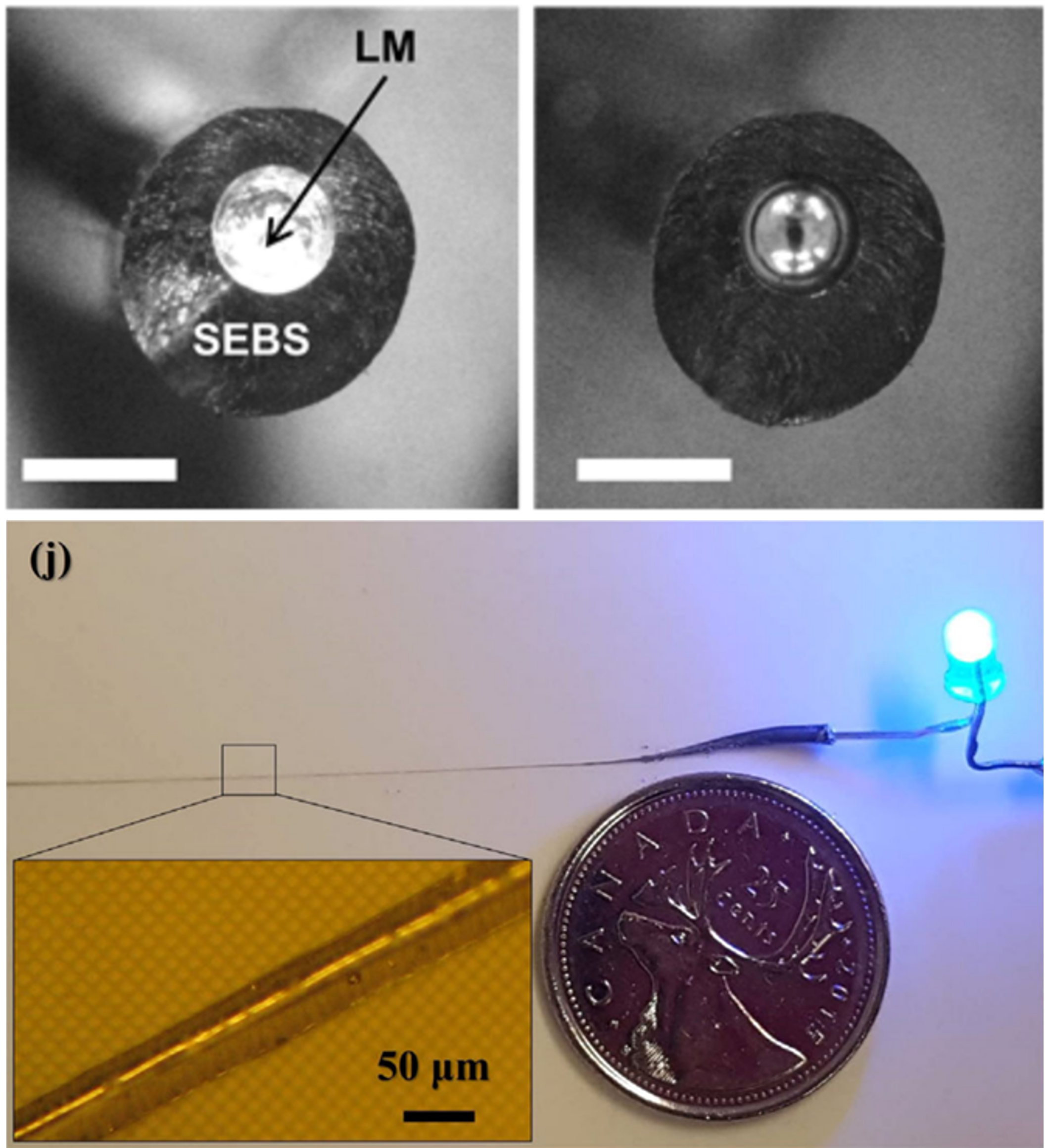
Co-axial injection of room temperature liquid metal (Eutectic Indium Gallium AKA EGaIn) into printed lines to create stretchable wires.
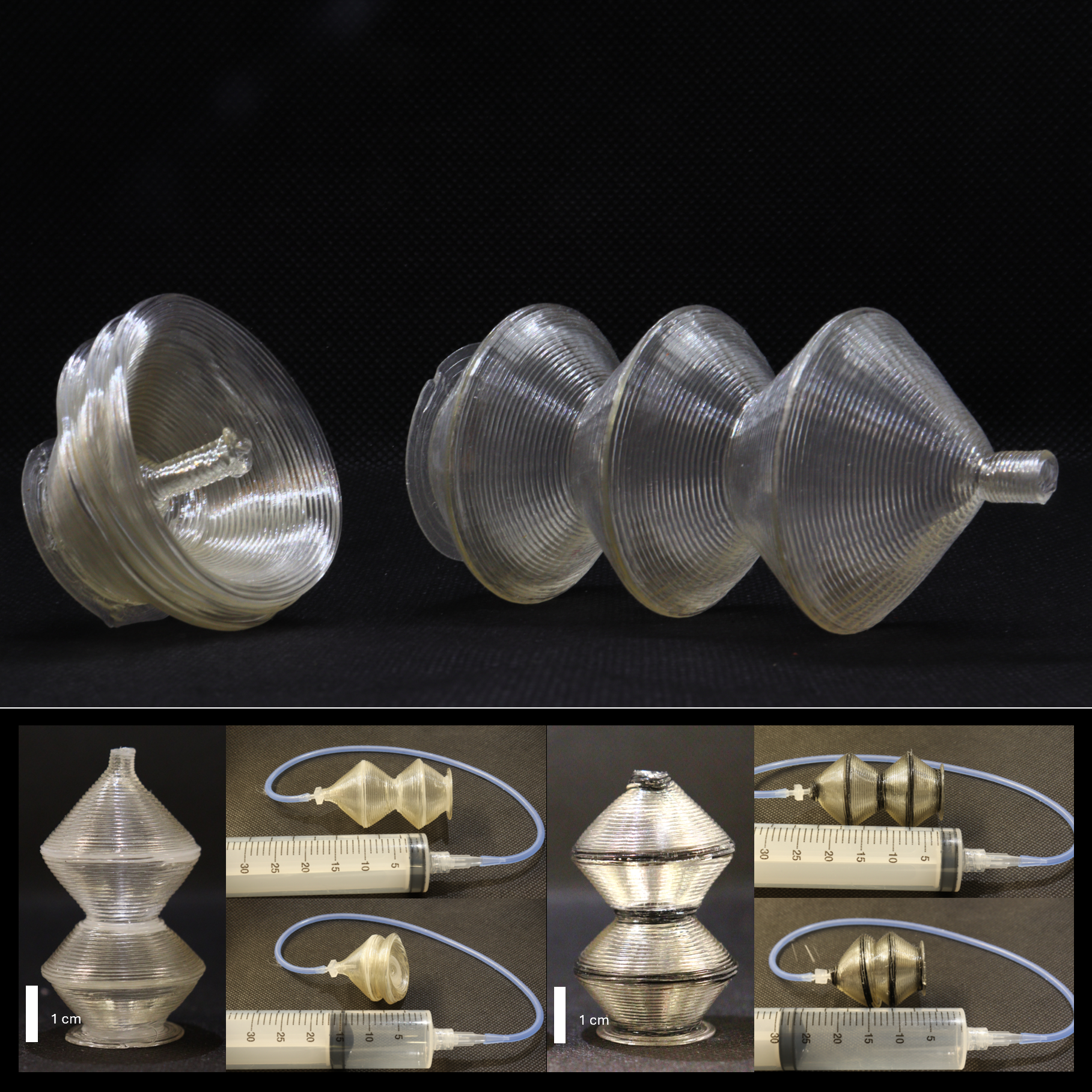
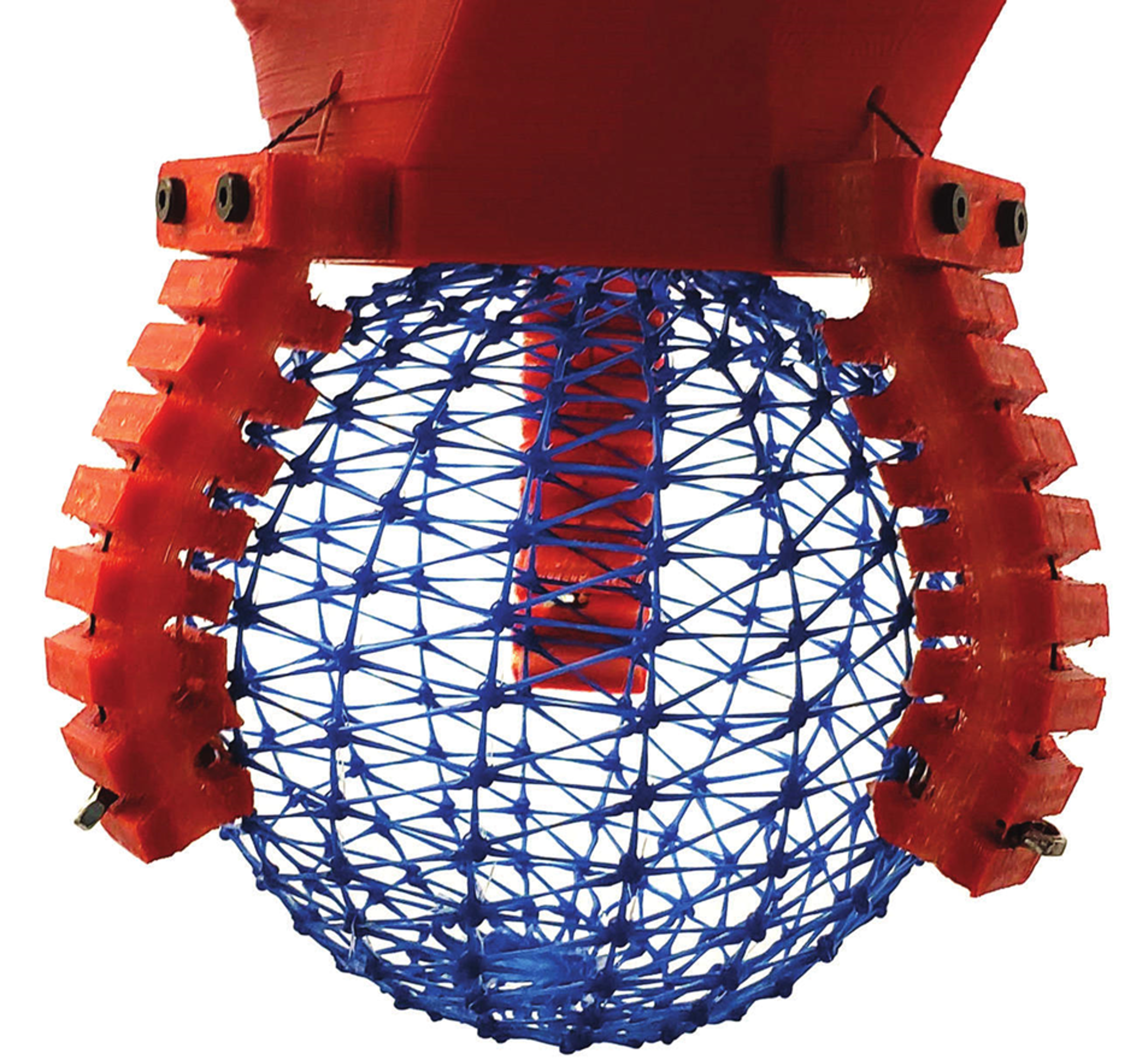
Tendon-actuated gripper printed on the MAMMAMIA with selectively tuned part stiffness
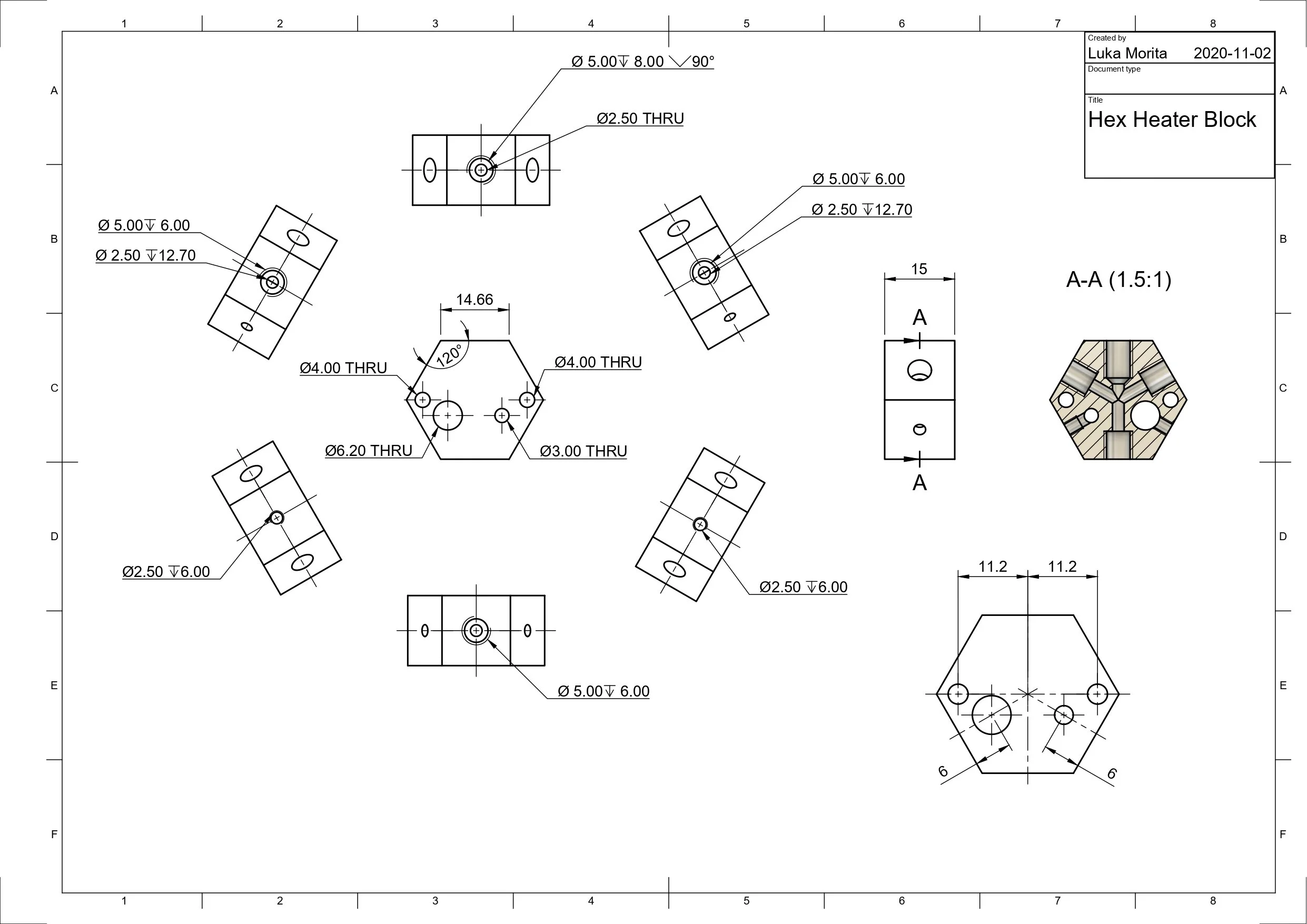
CAD drawing for our custom machined hex extruder block
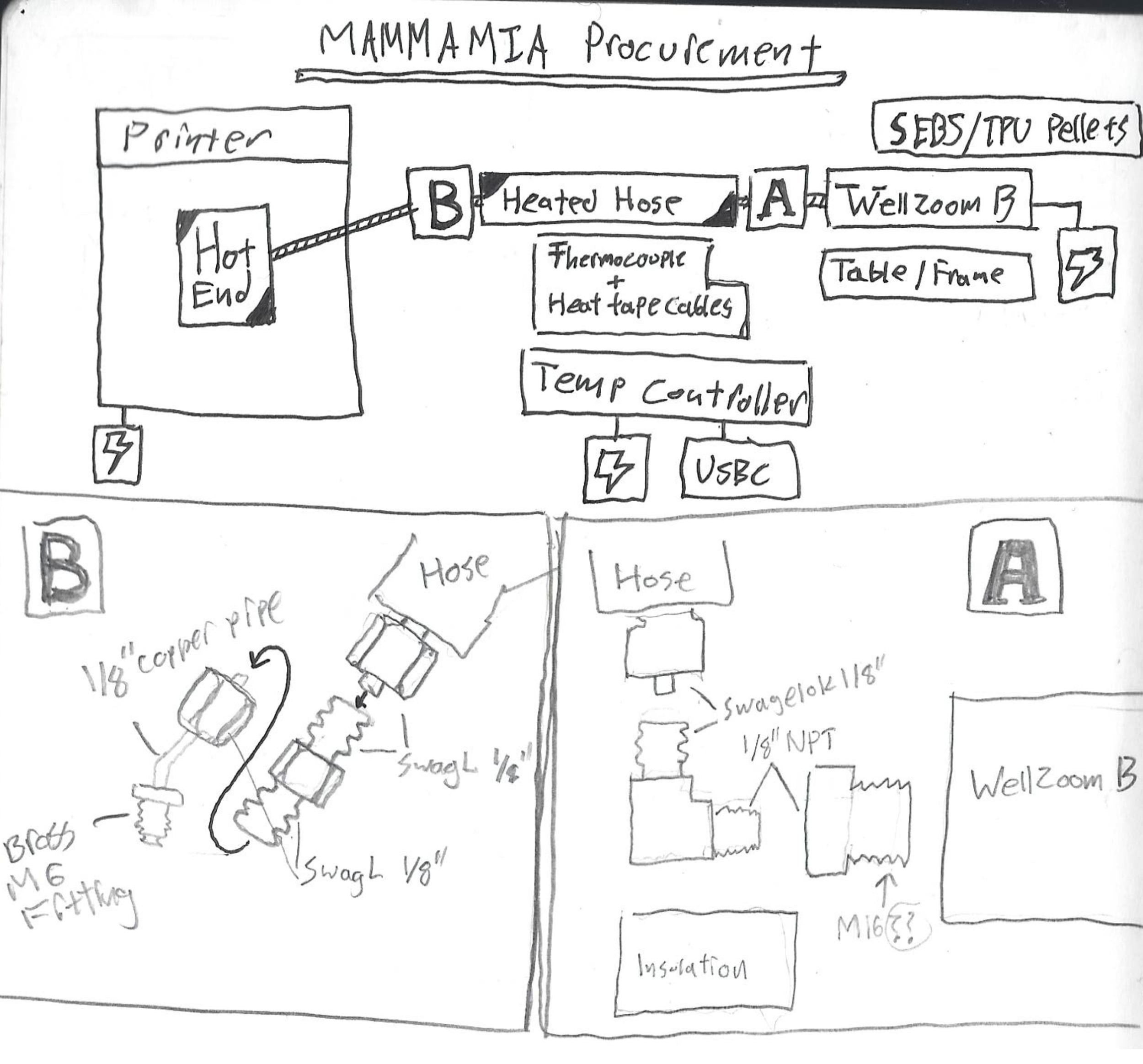
System planning sketch
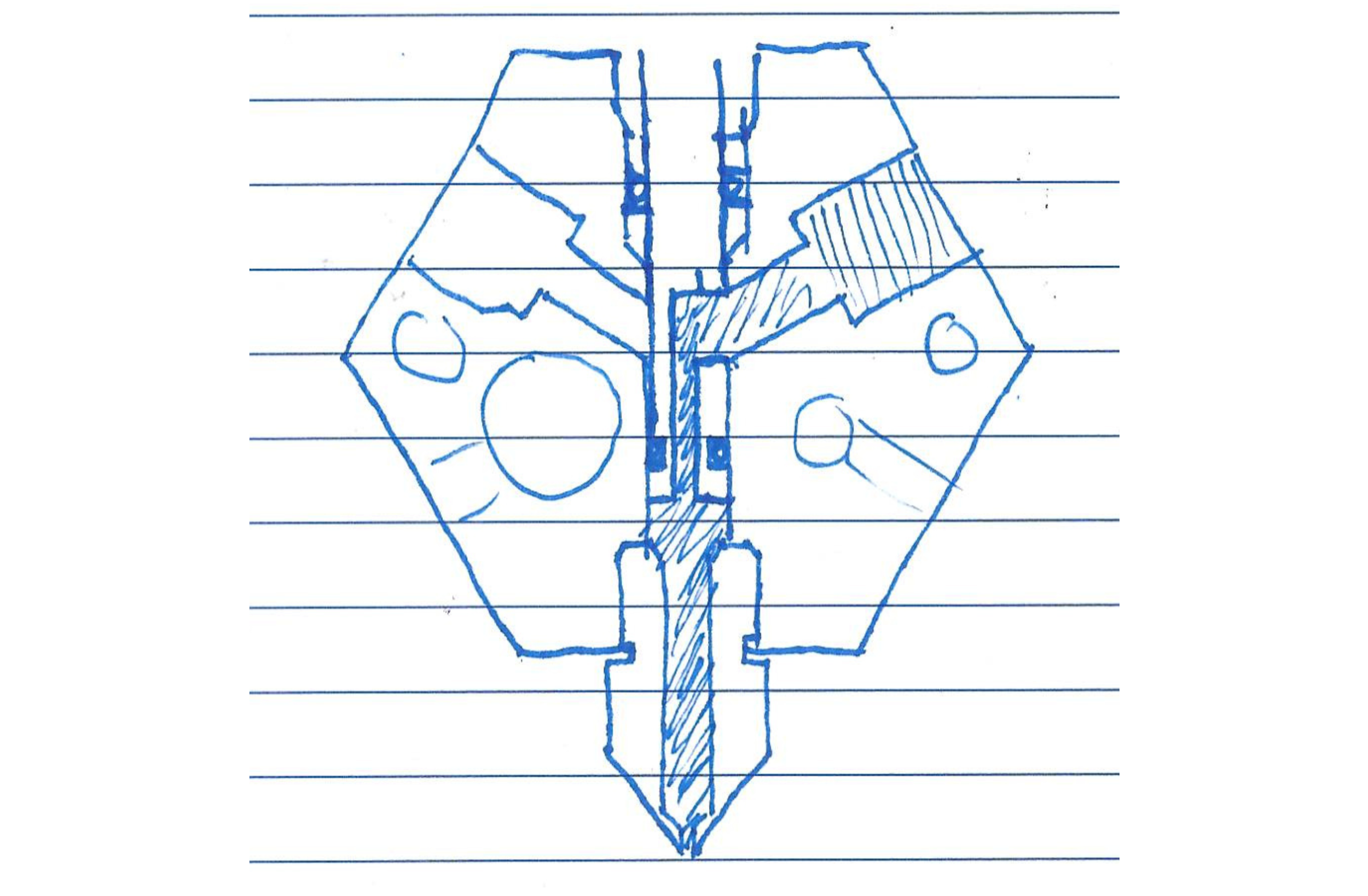
Early rotary valve prototype sketch
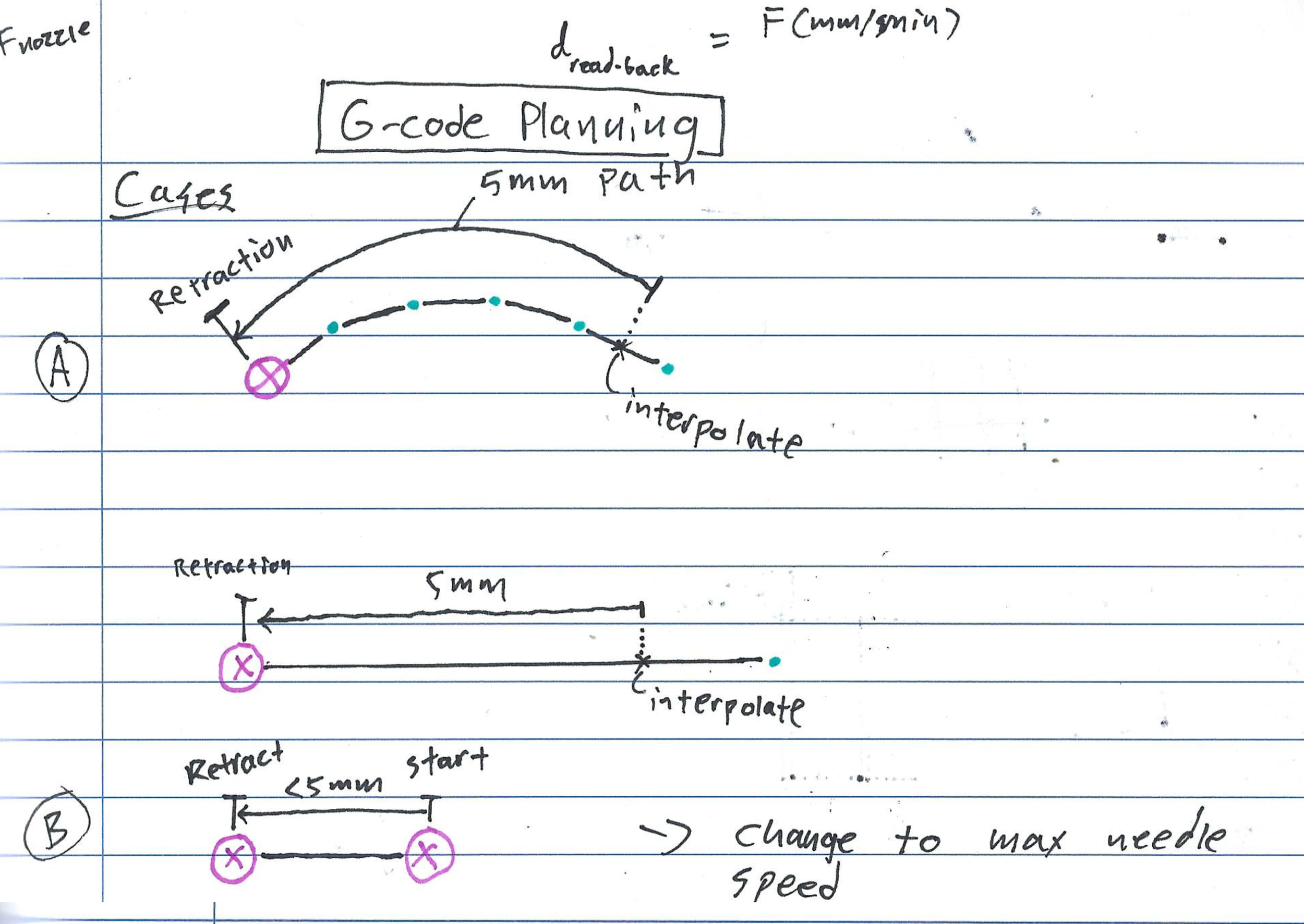
Valve g-code conceptualization
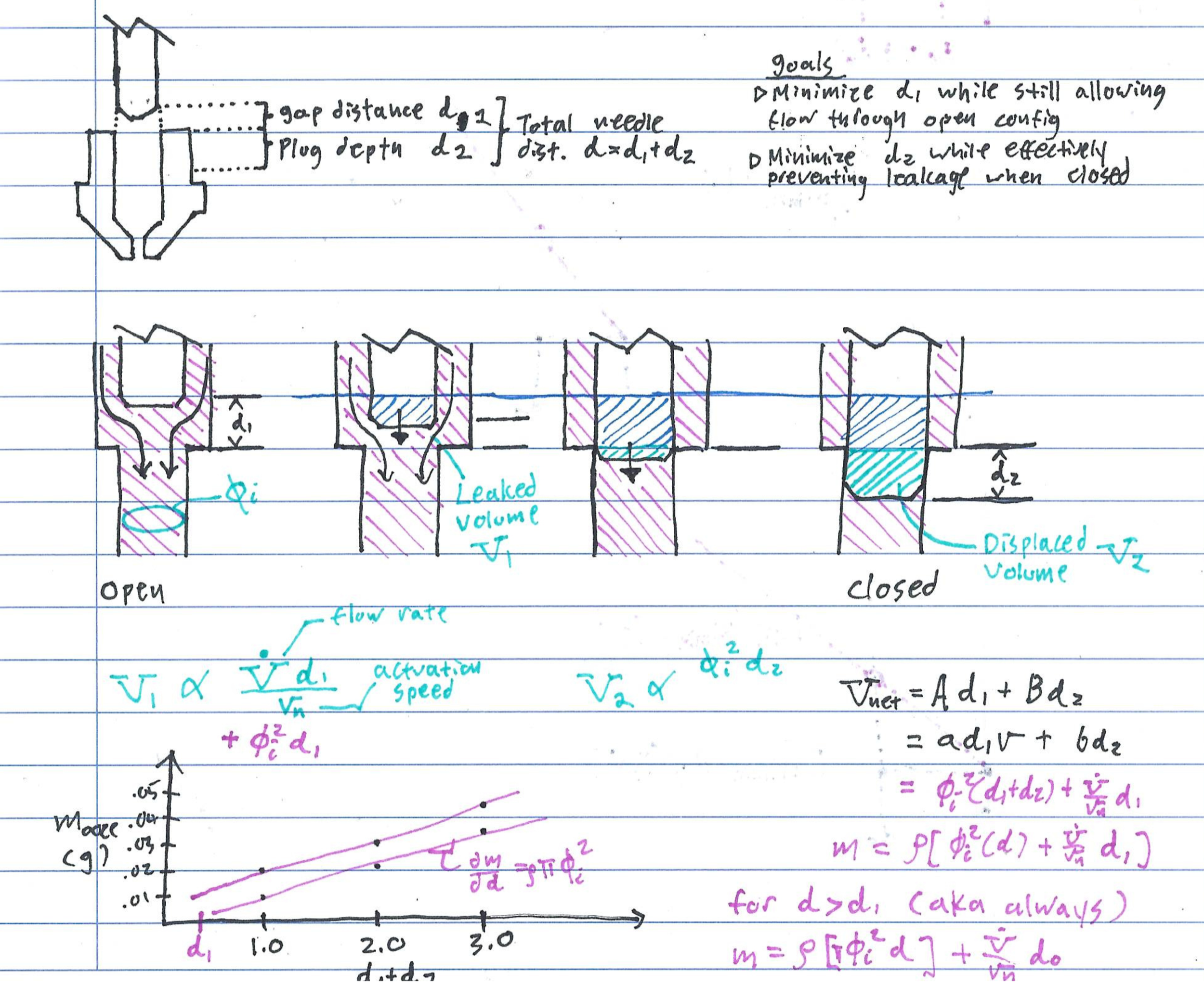
Early modelling of valve performance